AI SEO Fundamentals
Generative Engine Optimization (GEO): Explained
Search is no longer just about ranking on Google. Today, people ask questions directly to AI tools like ChatGPT, Google AI Overviews, Gemini, and…
 LLMICSEARCH INTELLIGENCE
Auto follows your local time.
Ideas and practical guides for technical SEO, content strategy, AI search and evidence-led product workflows.
Search is no longer just about ranking on Google. Today, people ask questions directly to AI tools like ChatGPT, Google AI Overviews, Gemini, and…
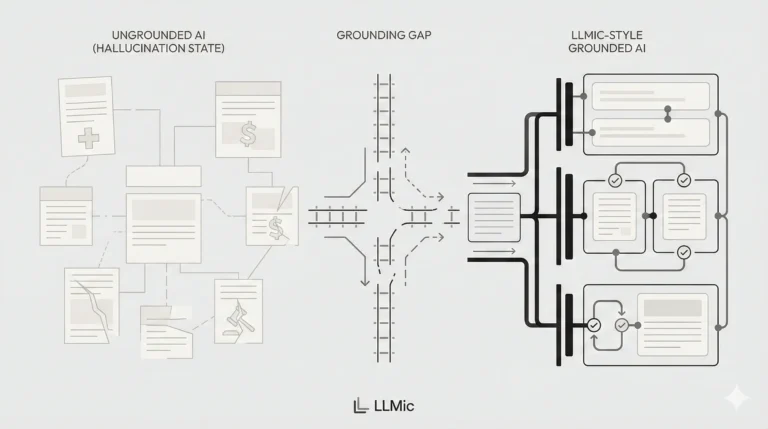
AI Hallucinations are incorrect or misleading results given by the AI models. It happens when the model doesn’t have sufficient data to train it…
Entity SEO is an advanced SEO technique where we optimize the content for real world entities like People, Place, Organization, Concepts, and products. To…
Get a native Mac workspace for finding issues, reviewing evidence and deciding what to fix.
macOS 15+ · Paid subscription required · No automatic trialOpen only what you need. Each answer explains the practical boundary as well as the next step.
Still unsure? Ask us →The Journal covers technical SEO, website auditing, content evidence, AI search measurement, practical workflows, and product updates.
Articles should label measured results, examples, estimates, and limitations clearly. Check each article for its method, date, and source context.
Use Documentation for task-focused product instructions. The Journal provides broader explanations, examples, and analysis.
The publication and modification dates identify the current version of an article. Product instructions should also state the build or feature availability when relevant.
Yes, when the guide matches your task and product version. Verify each recommendation against the affected site rather than applying a checklist without reviewing the evidence.
No. LLMIC measures crawl evidence and research observations, then helps you review possible actions. Search engines and AI providers decide their own results.
Core crawl analysis is designed to run in the native Mac app. Features that use Google, AI, or other providers make the external requests described in the relevant workflow and use the credentials you connect.